Compare Local Contractors for Quality Wood Furniture Refinishing
Compare local contractors for wood furniture refinishing to define project scope, verify experience, and establish clear expectations before hiring.
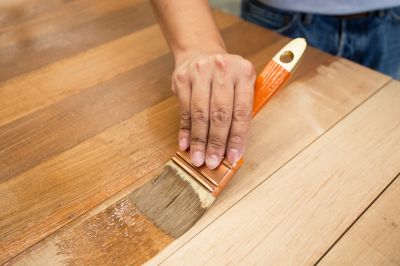
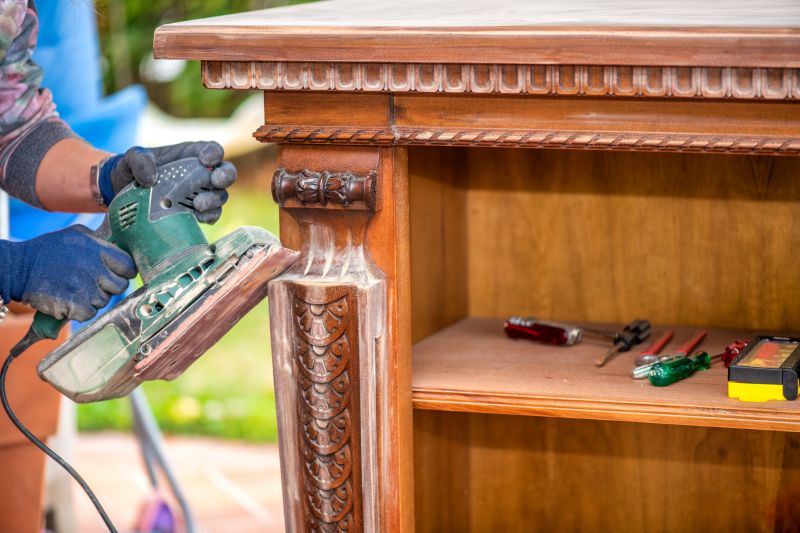
Wood furniture refinishing is a service that typically involves restoring and enhancing the appearance of existing wooden pieces through processes such as sanding, staining, staining removal, and applying protective finishes. This work can address a variety of issues, including surface scratches, discoloration, worn finishes, or damage caused by everyday use. Refinishing can help revive the look of dining tables, cabinets, chairs, and other wooden furnishings, making them look renewed and well-maintained without the need for replacement.
Clearly defining the scope of a refinishing project is essential to ensure expectations are aligned and the work meets the property owner’s goals. A well-outlined scope might specify whether the work involves stripping old finishes, repairing damaged wood, or applying a particular stain or protective coating. Having these details in writing helps prevent misunderstandings and provides a basis for evaluating whether a contractor’s expertise aligns with the specific needs of the project. It also clarifies what tasks are included and what might be considered additional work, fostering transparency throughout the process.
Property owners can effectively compare local contractors by reviewing their experience with wood furniture refinishing and their approach to scope definition. It’s helpful to inquire about past projects similar in scope and style, as well as to verify how contractors communicate and document project details. When reaching out to service providers, asking for a detailed description of their process and confirming that all aspects of the project are included in the initial scope can help ensure a clear understanding. Comparing how each contractor approaches scope, communication, and project planning enables property owners to select professionals who are best suited to meet their specific refinishing needs.
Compare local contractors by outlining your project priorities, verifying experience, and setting clear expectations in writing.
- Define the Scope of Work - clearly outline the refinishing needs to ensure all parties understand the project requirements.
- Verify Experience and References - assess the contractor’s background and previous work to confirm capability.
- Request Written Estimates - obtain detailed, written descriptions of the work to set clear expectations.
- Compare Local Contractors - evaluate multiple service providers to identify those best suited for the project.

Clearly describe your wood furniture refinishing project to help local contractors understand your needs and compare options effectively.
- Verify experience and expertise in wood furniture refinishing to ensure quality results. - Look for service providers with a proven track record in furniture restoration and finishing projects.
- Define the scope of work clearly in writing, including surface preparation, staining, and finishing details. - Ensure all project expectations are documented to prevent misunderstandings.
- Assess the range of finishing techniques and materials offered by local contractors to match your desired look. - Confirm that service providers can accommodate specific style or finish preferences.
- Check references or reviews to gauge the reliability and craftsmanship of the contractors under consideration. - Gather insights from previous clients to evaluate the quality of their work.
- Compare the warranties or guarantees offered to understand the level of post-service support provided. - Look for service providers who stand behind their refinishing work with written assurances.
- Discuss the process and materials used to ensure transparency and alignment with your expectations. - Clear communication about methods and products helps set realistic project outcomes.
Use this to compare local contractors, clarify project scope, verify experience, and set clear expectations.


Use consistent comparison points across local contractors by defining scope, verifying experience, and documenting expectations clearly.
- Scope Definition - Clearly specify the extent of furniture pieces to be refinished, including surfaces and finishes.
- Material Assessment - Identify the types of wood and existing finishes to ensure appropriate refinishing methods are used.
- Work Details - Outline the specific refinishing techniques, such as sanding, staining, or sealing, to be performed.
- Experience Verification - Confirm that service providers have relevant experience with wood furniture refinishing projects.
- Written Agreement - Ensure scope, materials, and work details are documented in a clear, detailed written agreement.
When comparing contractors for wood furniture refinishing, it is important to consider their experience with similar projects. Service providers who have a proven track record working on furniture pieces comparable in style, material, and finish can often deliver results that meet expectations. Asking about their previous work or requesting references related to refinishing projects similar to yours can help gauge their familiarity with the specific techniques and challenges involved. This focus on relevant experience ensures that the contractor understands the nuances of your furniture and can handle the refinishing process effectively.
A clear, written scope of work is essential when evaluating potential contractors. This document should outline the specific tasks to be performed, the materials to be used, and the desired finish or style. Having a detailed scope helps prevent misunderstandings and sets clear expectations for the project. When reviewing proposals or estimates, look for service providers who provide comprehensive descriptions of their approach and deliverables. A well-defined scope also facilitates smoother communication and provides a basis for addressing any issues that may arise during the refinishing process.
Verification of a contractor’s basics involves confirming their ability to perform the work safely and professionally. While licensing and certification are not the focus here, it is useful to verify that the service provider has appropriate insurance coverage, if applicable, and adheres to industry standards. Checking references or reviews from previous clients can provide insight into their reliability and quality of work. Additionally, ensuring that they are transparent about their process and willing to answer questions can help establish trust and confidence in their capabilities.
Evaluating options without focusing on prices involves assessing the quality of the contractors’ proposals, their experience, and their communication clarity. Consider how well each service provider understands your project needs and whether they provide a detailed scope of work. It’s also helpful to compare their professionalism, responsiveness, and willingness to answer questions. By focusing on these aspects, homeowners can identify service providers who are best equipped to handle their furniture refinishing project with skill and reliability, ensuring a successful outcome.
Request written details from local contractors to clearly define the scope and ensure consistent expectations.
- Experience and Expertise - What specific experience do the contractors have with wood furniture refinishing projects similar to the scope needed?
- Scope of Work - How do the contractors define and document the specific tasks included in the refinishing process?
- Material and Finish Options - What options do the service providers offer for stains, finishes, and surface preparation to meet desired results?
- Project Expectations - How do contractors communicate the expected outcomes and quality standards for the refinishing work?
- Comparison Criteria - What factors should be used to compare different local contractors' approaches and experience levels for furniture refinishing?
How can I compare contractors for wood furniture refinishing? Look for reviews, verify their experience with similar projects, and ask for detailed descriptions of their services to ensure they meet your needs.
What should I consider when defining the scope of my furniture refinishing project? Clearly outline the furniture pieces involved, desired finishes, and any specific details or concerns to help contractors understand your expectations.
How can I verify a contractor’s experience with wood furniture refinishing? Request examples of past work, ask about their background in furniture refinishing, and seek references if available to assess their expertise.
Why is it important to have the project scope in writing? A written scope helps prevent misunderstandings, sets clear expectations, and provides a reference for the agreed-upon work and details.
What questions should I ask a contractor before hiring for refinishing services? Inquire about their experience, the methods they use, materials recommended, and how they handle specific furniture types or finishes.
How can I ensure the contractor understands my refinishing goals? Communicate your preferences clearly, provide detailed descriptions, and confirm that the scope and expectations are documented before work begins.
By exploring options for wood furniture refinishing, visitors can better understand how to define the scope of their project, verify the experience of local contractors, and set clear expectations in writing. Comparing multiple service providers helps ensure that the chosen contractor aligns with specific needs and preferences, making the process more manageable and informed.
Using the quote form to connect with local contractors offers a straightforward way to gather information and compare how different service providers approach refinishing projects. This approach supports making well-informed decisions by providing access to local experts who can handle the job according to the outlined scope and requirements.